Red Light Therapy:
Mechanisms, Evidence and Limitations
By Dr. Zeeshan Siddiqui | Cryo SubZero Wellness & Longevity

The information shared in this article is for general educational and wellness purposes only and is not intended to replace medical advice, diagnosis, or treatment. Always consult a qualified healthcare professional regarding any health concerns. Results may vary between individuals. Cryo SubZero offers wellness services and does not provide medical treatment.
Red and near-infrared light are being studied for their effects on tissue under specific conditions. Feeling tired or unwell does not establish a deficiency of these wavelengths, and a red light session is not a substitute for assessment of persistent symptoms.
What Is Red Light Therapy?
Photobiomodulation uses red or near-infrared light with defined exposure parameters. Wavelength, irradiance, total dose, distance, treatment site and session schedule all affect how research findings should be interpreted. Results from one device or clinical protocol should not be assumed to apply to another.
A proposed cellular mechanism is not proof of a clinical benefit. Outcomes depend on the device and protocol, and evidence for routine wellness sessions remains uncertain.
What Happens Inside Your Body During a Session
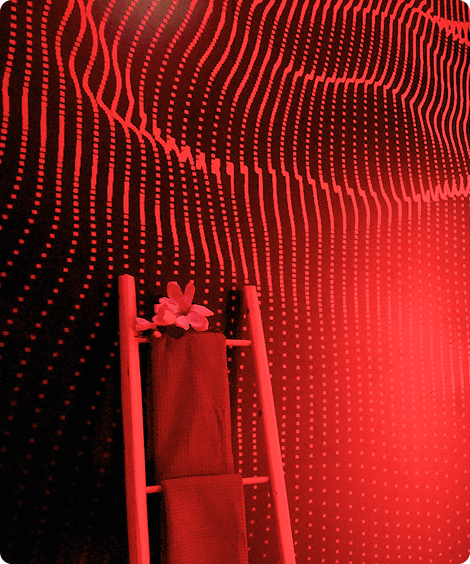
Wavelengths between (630nm and 850nm)
Red and near-infrared wavelengths are studied for their interactions with cellular processes, including energy-related pathways. A laboratory response does not establish faster healing or better function from a routine wellness session.
Dose and Exposure Parameters
Research protocols specify wavelength, irradiance, exposure time and application site. More light or a longer session is not necessarily better, and results cannot be transferred between different protocols without evidence.
Skin Appearance Research
Some studies assess changes in skin appearance under specific protocols; results vary and are not guaranteed for an individual session.
Collagen-Related Measures
Changes in research measures of collagen do not establish the same effect from every light device or exposure schedule.
Clinical Research Limitations
Research involving wounds or other medical conditions uses specific treatment settings and does not establish healing benefits from wellness sessions.
Research Areas and Evidence Limitations
Studies use different devices, doses and participant groups. Findings should be interpreted within those limits, rather than as promised results from Cryo SubZero sessions.
✨Skin Rejuvenation & Collagen Synthesis
Some clinical studies explore skin appearance and collagen-related measures using specific light protocols. These findings do not guarantee skin changes from the sessions offered here.
💪 Muscle Recovery & Athletic Performance
Research has explored soreness and muscle function around exercise. Results vary with dose and timing; athlete use or testimonials do not establish effectiveness.
🔥 Inflammation Reduction & Pain Relief
Studies of selected pain conditions cannot be generalised to all devices or wellness sessions. Persistent pain, swelling or suspected injury should be assessed by a qualified professional.
💇 Hair Growth & Scalp Circulation
Hair-loss studies use specific devices and exposure schedules. Their findings should not be assumed to apply to full-body light sessions.
⚡ Wound Healing & Tissue Repair
Clinical wound studies do not establish that Cryo SubZero wellness sessions accelerate wound healing or tissue repair. Wounds require appropriate clinical care.
😴 Cognitive Support & Sleep Quality
Research using specialised applications, including light directed at the head, does not establish cognitive or sleep benefits from routine body-light sessions. Persistent symptoms need qualified assessment.
Red Light Therapy + Halotherapy: A Complete Recovery Experience
Red light therapy and halotherapy can be offered together as a wellness experience. Evidence does not establish that combining them improves cellular repair, oxygen levels or respiratory disease outcomes.
Parameters, Precautions and Limitations
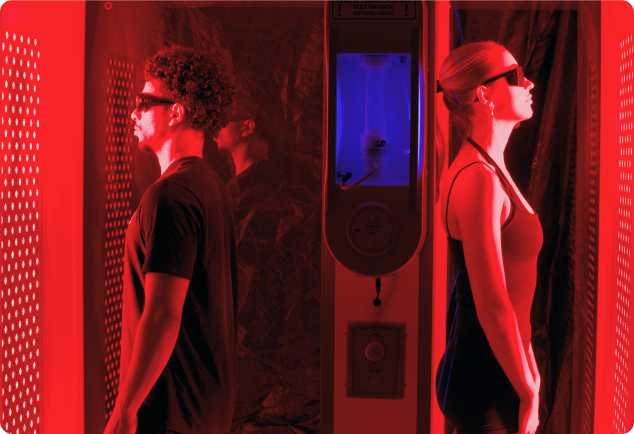
Our red light therapy room accommodates two people. Before booking, ask about the device, exposure parameters, eye protection and manufacturer contraindications. Tell staff about photosensitivity, medicines that affect light sensitivity and relevant health conditions. Seek qualified advice about suitability during pregnancy or cancer care. Outcomes are uncertain, and sessions do not replace diagnosis or prescribed treatment.